Basic HTML Version


1 4 6
t h e b u i l d i n g c o n s e r v a t i o n d i r e c t o r y 2 0 1 2
4.1
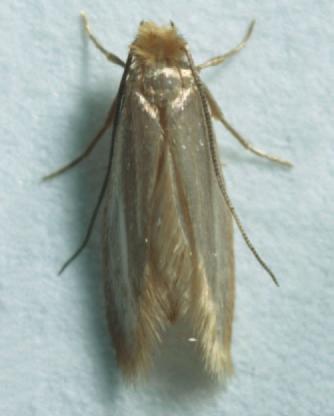
Figure 1 Webbing clothes moth adult (All photos: David Pinniger/CSL/Collections Trust)
Carpet Beetles and
Clothes Moths
What they are, what they eat and how to control them
Robert Child and David Pinniger
T
here are
two main types of insect
which cause serious damage to textiles
in the British Isles: clothes moths and
carpet beetles. Although very different in
appearance and habits, both are pests which
eat animal fibres such as wool carpets and
cashmere or mohair clothing.
Clothes moths
The common or webbing clothes moth
(Tineola bisselliella) and the case-bearing or
case-making clothes moth (Tinea pellionella)
are the two main pest species. Both will attack
and damage carpets, upholstery, clothing and
animal specimens. The common or webbing
clothes moth is now the most common species
and has become a much more marked problem
in recent years.
The adults of both species are small,
dull, grey-fawn moths which are 58mm
long and look quite similar. The common or
webbing clothes moth (Figure 1) has more
of a golden sheen, while the case-bearing
clothes moth is more silvery-grey (Figure 5).
They scuttle around or fly when it is warm
and fold their wings along their backs at
rest. Case-bearing clothes moths often come
from birds’ nests, particularly in unused
chimneys, and can fly in through windows or
open doors. One generation normally takes
a year to develop, but webbing clothes moths
can reproduce rapidly in heated buildings
with two generations or more per year.
The adults avoid light and lay batches of
up to 100 eggs in dark areas on fur, feathers,
skin, wool or soiled silk. The larvae, which
cause the damage, hatch from the eggs and
spin silk webbing as they feed and grow.
The common or webbing clothes moth
The larvae of this species spin silk as tubes or
sheets of webbing across the material they are
eating (Figure 2). Damage is accompanied by
copious webbing tubes which usually include
large amounts of excreta known as frass
(Figure 3).
The case-bearing or case-making
clothes moth
The larva spins a case or bag
around itself, leaving the ends open so that
it can use its jaws and legs (Figure 4). It then
eats as it crosses the material carrying its
case and leaving a trail of grazed textile or fur
with fragments of excreta or frass. The larva
moults within the case and when fully grown
it pupates within the cocoon and eventually
the adult moth emerges to mate and lay eggs.
Infested material is often littered with empty
silk bags or cases (Figure 6) which resemble
grains of rice.
The pelleted excreta or frass produced
by the larvae of clothes moths is frequently
mistaken for moth eggs. However, while frass
pellets are hard and opaque and the same
colour as the material being eaten, moth eggs
are very small and translucent and vulnerable
to physical damage. Contrary to popular
opinion, clothes moth eggs will not remain
dormant in textiles and then hatch many
months later.
Textiles soiled with food, perspiration or
urine are preferentially attacked and a stained
area may be more damaged than an adjacent