Basic HTML Version



5 2
t h e b u i l d i n g c o n s e r v a t i o n d i r e c t o r y 2 0 1 2
1
after refurbishment. The control of water
penetration, the removal of damp materials
and the drying out of the structure are
therefore the most important factors in the
cost-effective conservation, refurbishment and
early re-occupancy of the building.
Unfortunately, most of the existing
measures for controlling water penetration
into buildings, roofs and roof drainage
systems are destroyed or compromised
by fire. Water penetration should
therefore be controlled as a matter of
urgency using the measures highlighted
in the checklist (previous page).
Hazardous materials
Fires can result in the production or
exposure of hazardous materials, and
a fire-damaged historic building may
contain residues of asbestos, lead oxides,
chromium, nickel and arsenic, as well as
combustion products from more modern
materials such as dioxins and isocyanates.
These will form potentially hazardous dust
particles and must be removed from the
building and disposed of in accordance
with current health and safety regulations,
prior to any accelerated drying measures.
Independent specialist professional
advice will be required to identify any
significant hazards from materials such
as these, as well as from hazardous spores
and other metabolites introduced by mould
growth. Failure to specify appropriate
risk management measures can result in
significant hazards to health during and
after refurbishment, causing delays to the
refurbishment programme and even affecting
the capital value of the building.
Ventilation and drying
Many thousands of litres of water can
penetrate into a building during and after
a fire, and drying out the structure can
create ideal conditions for mould growth
and decay. The techniques to be used must
therefore be carefully considered to ensure
that the process is both cost-effective and
efficient. It is particularly important to
identify all areas of residual moisture in
the building by taking moisture profiles
through representative structures, and to
provide through- and cross-ventilation
into all affected areas and building voids.
Specialist accelerated drying measures
such as the use of dehumidifiers provided
by specialist sub-contractors are often used.
However, the equipment is often poorly
specified and improperly used, resulting in
little or no accelerated drying and causing
unnecessary delays.
If not properly managed, damp and
decay problems can persist for many years
after a fire, and fungal or mould growth can
result in health hazards to occupants and/
or the unnecessary loss of original fabric and
structures. Conversely, appropriate measures
as outlined in the prioritised checklist of
drying measures, can allow refurbishment
in less than six months, even after the most
severe fires.
It should be noted that accelerated drying
in the UK is more cost-effective in the winter
and early spring and very much harder in
the summer months due to the external air
being relatively warm and moisture laden.
Timely and appropriate advice can therefore
make a difference of over six months in a
refurbishment programme.
Dry rot and timber decay
Water penetration during and after a fire can
produce the ideal conditions for infection
and decay by dry rot (Serpula lacrymans)
or the related Donkiopoira expansa, which
often decays oak. This is often the result of
the reactivation of pre-existing infections
beneath valley gutters or other vulnerable
roof drainage details. No chemical remedial
timber treatments or wall irrigations
should be required. However, all timbers
built in contact with damp or potentially
damp structures should be investigated by
an independent expert to determine their
decay state and deep moisture content, in
conjunction with the moisture profiling
described above. Appropriate repairs and/
or accelerated drying measures can then
be undertaken. These may include the
isolation of vulnerable materials from damp
structures with damp-proof materials and/
or through-ventilated air-gaps, so as to allow
long-term drying after re-occupancy.
Conservation and remedial
exposure
A policy of radical remedial exposure is often
the most cost-effective way of conserving
the maximum amount of historic material.
For example the early lifting and removal
of panelling, skirtings and floor boards
and the early removal of salt- and water-
damaged plaster and pugging materials
should be considered. This requires that the
conservation authorities are kept closely
involved and that listed building consent is
obtained as necessary. It is also important to
employ appropriately skilled craftsmen, and
to set up a robust and well managed system
of recording and storage. An advantage of
this approach is that valuable information on
the history and archaeology of the building
is often discovered, allowing previously
unknown features to be conserved and
incorporated into the refurbished building.
Tim Hutton
MA MSc VetMB MRCVS is a
building pathologist and environmental
scientist, and the CEO and scientific
director of Hutton + Rostron Environmental
Investigations Limited (see page 149).
H+R has provided specialist independent
advice after fire to occupants and insurers
of all types of buildings for over 30 years,
including after the fires at Hampton Court
Palace and Windsor Castle.
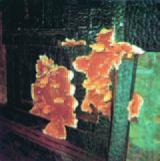
Dry rot fruiting bodies on fire damaged panelling: water
penetration had reactivated an old infection and enabled it
to spread. (Photo: Hutton + Rostron)
The floor of this fire damaged building was found to be constructed of reed and lime plaster. Failure to expose the underside
had promoted mould growth, and further remedial treatment was required to promote drying prior to decontamination.
(Photo: Hutton + Rostron)