
Recently added articles
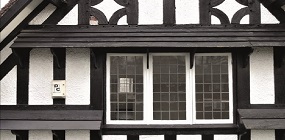 |
19th Century Timber Frame Revival Buildings Historic building surveyor Tim Nicholson provides an overview of the development, composition and defects of 19th and early 20th century timber-frame revival buildings, detailing repair methods which have a minimal impact on their historic character. |
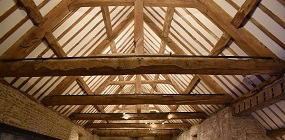 |
Timber Roof Structures and their Assessment Accredited conservator and managing director of The Morton Partnership, Ed Morton outlines the importance of assessments in diagnosing structural defects, decay and vulnerabilities within timber roof structures, detailing useful invesitigative tools and repair methods. |
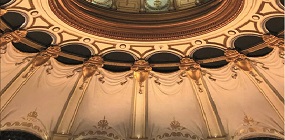 |
Alexandra Miller, manager of decorative arts and senior project manager at Cliveden Conservation, considers the prevalence of gold in historic decorative interiors. She details the advantageous properties which made it so popular, the use of gold leaf in historic gilding techniques and how to replicate its visual effect in restoration work. |
 |
Copper Panel Paintings: The Conservation of a Chancel Scheme Michael Bowes details the conservation of copper panel paintings around the chancel of St Mary the Virgin inside the parish church of Bury in Greater Manchester, examining the historical advantages of using copper and the process of restoring chemically damaged varnish. |
 |
Sustainable Water Waste Systems Building physicist and services engineer Toby Cambray investigates the sustainability of waste water systems in historic buildings, looking at different water recycling systems such as rainwater harvesting and cost-effective ways of reducing their environmental impact. |
 |
Building Pathology: Established and Emerging Technologies Lynda Jubb and Steve Bury explore new types of technology, such as thermal imaging and capacitance meters, which can diagnose damp without risking damage to historic buildings. They look at how using a range of measurement technologies can provide a more accurate view of the location and level of damp, also considering the ethical and cost issues which may affect their popularity. |
 |
Cathodic Protection of Steel-Framed Buildings Chris Wozencroft outlines how cathodic protection can negate corrosion in historic buildings, considering its effectiveness in combating Regent Street Disease in particular. |
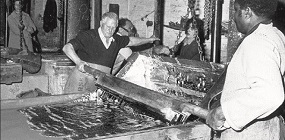 |
Jonathan Castleman looks at the advantages of sand cast lead, outlining the ways that lead sheets deteriorate with age and how the production process remains the same as in Roman times. |
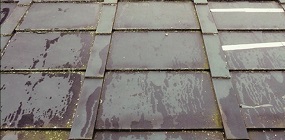 |
Terry Hughes provides an in-depth explaination of the patent slating method, looking at how this system became popular in England and various repair issues. |
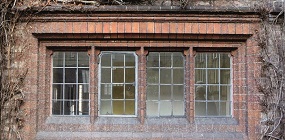 |
The Thermal Upgrading of Historic Fenestration Eleni Makri considers how different types of glazing can greatly improve the thermal performance of historic windows, emphasising the importance of limiting its impact on the building's character and selecting a suitable glaze for the fenestration material. |
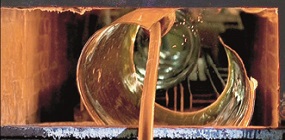 |
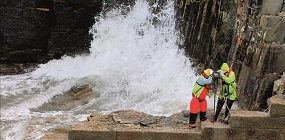
Michael Brückner examines the historic methods used to manufacture flat glass for window glazing, detailing how various techniques were developed from glass-blowing and the different types of glazes created as a result. |
 |
Edward Walker provides a technical explanation of the chemical properties which affect hydraulicity in lime mortars, looking at why EN459 lime classifications are not a reliable way of determining their strength and suitability for conservation work. |
 |
Jonathan Taylor considers the performance of sandstones and limestones as historic building materials, explaining the impact of different compositions on the level of stone porosity and the effects that inherent stone defects can have on masonry structures. |
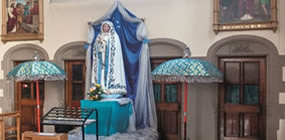 |
Charlotte Dodgeon considers the importance of intangible heritage, using various examples in churches and chapels across the UK to assess how their individual cultural and historic aspects can establish them as places of significance. |
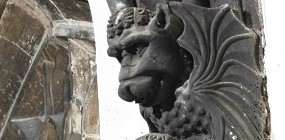 |
Remembrance and Remonstrance: A Fenland Church The impact that notable families had on enriching the unique decorative features of St Clement's church, Outwell, is explored by medieval historian Claire Daunton, looking at their meaning and the importance of conserving them. |
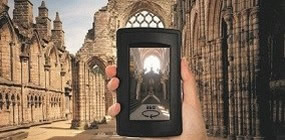 |
Digital Churches: Enhancing the Visitor Experience Spencer Clark gives an overview of new technology that many churches are now using to attract and engage visitors. |
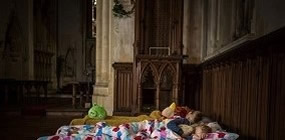 |
Jonathan Taylor explores the the ways that churches are extending their usage to encourage tourism and community involvement, outlining how this can be achieved with minimal impact to the building's character and congregation. |
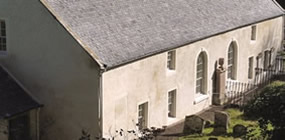 |
Church Redundancy: Lessons from Scotland Victoria Collison-Owen provides an overview of church redundancy in Scotland and the actions that are being taken to prevent further closures. |
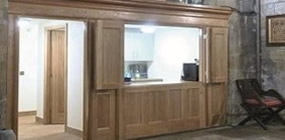 |
Jonathan Taylor outlines the factors to consider when installing modern facilities into historic churches and chapels. |
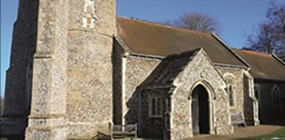 |
Diana Evans examines The Taylor Review, looking at the difficulties facing churches at the time of publication and the pilot project implemented as a result of the findings. |
 |
Sacred or Secular: The Use of the Nave in Medieval Parish Churches This investigation by Richard Halsey into how the nave was used debates whether its primary use was for religious or community needs within medieval parish churches. |
 |
Mortar Analysis: A View from the Lab When repairing historic masonry it is important to understand what materials were used originally. Mike Barham, chief chemist at Kiwa CMT Testing, outlines what laboratory analysis can tell you about the lime or earth mortars used for pointing or rendering them. |
 |
Roz Artis explores the development of lime mortars, looking closely at modern variations and methods. |
 |
Notre Dame: The Need for Better Fire Prevention Strategies Using Notre Dame cathedral as a case study, Jonathan Taylor and Felicity Fox emphasise the importance of fire prevention strategies. |
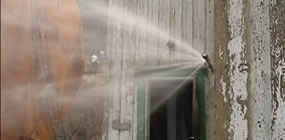 |
Steve Emery outlines recent developments in water-based fire suppression, including systems with no risk of accidental discharge. |
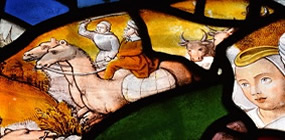 |
Stained Glass and its Environment Dan Humphries analyses the detrimental impact of environment on stained glass windows, particularly where north-facing, and introduces the use of environmental protective glazing (EPG) systems. |
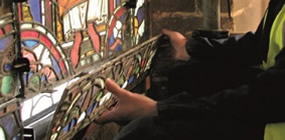 |
The effectiveness of EPG in historic buildings is explored further by Robyn Pender, outlining specific factors for assessing the suitability and risks of installation. |
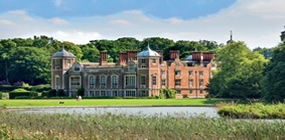 |
Heating National Trust Properties Emma Griffiths provides an overview of the National Trust's efforts to lessen the effect of climate change, showing the increased installation of renewable energy sources in historic properties and the organisation's aim to eventually become self-sufficient. |
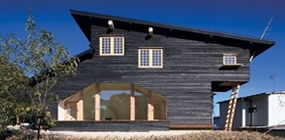 |
Yagisuki Charred Timber: an Ancient Technique in New Hands The traditional Japanese practice of wood charring is explored by Diana Rowsell as an ancient technique and a practical method of preserving timber. |
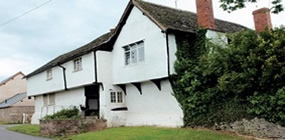 |
Insulation in Timber-Framed Buildings Robert Demaus assesses the risks associated with thermal insulation upgrades in timber-framed buildings. |
 |
Home and Dry: Developing a Non-Hydraulic Setting Air Lime The development and properties of a new type of mortar are thoroughly explored by Harry Cursham, as a promising tool for future retrofittings. |
 |
Indoor Air Quality and Ventilation: in Traditional Building Retrofit Nicholas Heath provides an insight into the impact of building fabric on the movement of air and moisture, assessing the suitability of insulation methods and strategies for improved breathability. |
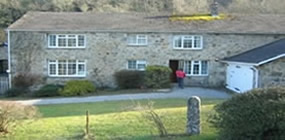 |
Internally Insulated Solid Walls: The SPAB Building Performance Survey An exploration of various insulation strategies and their effectiveness, based on SPAB findings from multiple case studies. |
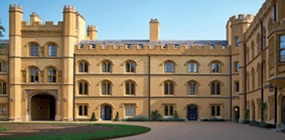 |
Radical Retrofit: at Trinity College, Cambridge Jonathan Taylor investigates the large-scale retrofitting and refurbishment of Trinity College in Cambridge. |
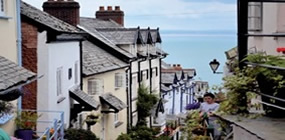 |
An overview of how energy performance improvements may be achieved in the town of Clovelly. |
 |
Sustainability Standards and Regulations An article explaining the procedures and regulations involved in historical building conservation. |
 |
Retrofit in Heritage Buildings: Understanding the Risks Balancing the risks of retrofit against the potential benefits is difficult. Senior architectural conservationist Iain McCaig offers some guidance, assessing case studies and useful technological developments. |
 |
Dennis Rodwell explores how sustainable improvements can be achieved using appropriate retrofit procedures. |
 |
In this introduction to improving energy efficiency in traditional homes, Rachel Coxcoon highlights the importance of identifying the easiest measures that safely achieve the most benefit. |
 |
Conservation Principles For Wiring Lighting Systems Bruce Kirk explores best practice when installing lighting and other electric projects in historic buildings. |
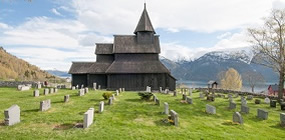 |
Urnes and Norway's Stave Church Preservation Programme An article examing the conservation of Norway's stave churches, looking in particular at Urnes. |
 |
Cleaning and Restoring Fine Architectural Joinery Vincent Reed looks at the principles and best practice behind maintaining historic woodwork in heritage buildings. |
 |
Jeremy Fenn explores the funding and support available to Building Preservation Trusts to help them continue to preserve our built heritage. |
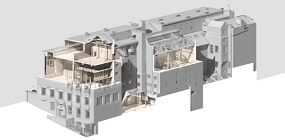 |
When Old is New - Fire Damage and Reconstruction The 2014 fire at the Glasgow School of Art serves as a case study to explore the devastating effect that fire damage can have on historic buildings and cultural identity, what can be done in the way of sensitive reconstruction, and how 3D modelling techniques can be used as a tool for conservation. |
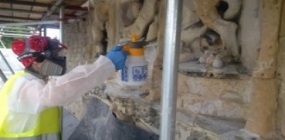 |
A Nanolime Case Study: the City of London Cemetery entrance screen Finding an effective consolidant that's compatible with masonry in the long term can be challenging. Ben Newman explores the benefits and limitations of using nanolime on limestone and offers the City of London Cemetery entrance screen as an interesting case study. |
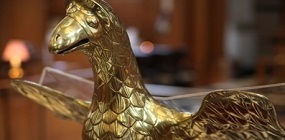 |
Brass Eagle Lecterns in England Author Marcus van der Meulen examines the history of Brass Eagle Lecterns in England spanning from the pre-Reformation period to present day. |
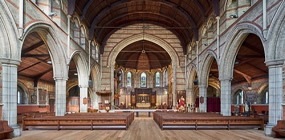 |
Intervention and Evolution at Emmanuel Church, West Hampstead, London This thought provoking article by architect Neil McLaughlin argues that it is possible to adapt listed historic buildings to accomodate the growing needs of the local community, without destroying their instrinsic historic value. The Emmanuel Church in West Hampstead provides an interesting case study. |
 |
The Yorkshire Maintenance Project It's not uncommon for churches and other places of worship to struggle to keep up with general maintenance. The National Churches Trust and the Heritage Lottery Fund have lent their support to buildings in Yorkshire by implementing the Yorkshire Maintenance Project, which helps to regularly maintain over 1,000 listed places of worship in the area and provide preventative training to avoid future issues. |
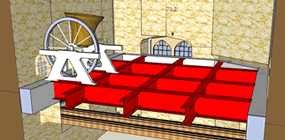 |
Movement in historic church bell towers or in the timber bell frames and their foundation beams can make bell ringing difficult. Structural engineer Andrew Dutton outlines the assessment of bell frames and bell towers in historic churches and considers a range of issues including the nature and potential implications of common bell frame alterations such as the insertion of concrete ring beams. |
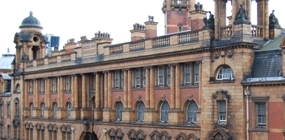 |
Buildings at Risk and the Use of Compulsory Purchase Orders - Jonathan Taylor What action can local authorities take to protect listed buildings at risk from spiralling deterioration? This article looks at the role of compulsory purchase orders, repair notices and back-to-back agreements. |
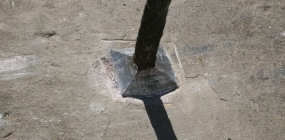 |
Lead Fixing for Historic Ironwork - David Field and Adrian Legge Blacksmithing teachers David Field and Adrian Legge look at the use of lead caulking to fix iron into masonry. The article includes an overview of how to reinstate lead-fixed ironwork to create a durable repair. |
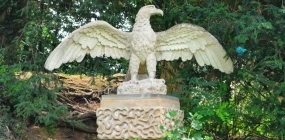 |
Artificial Stone: 19th-century Cementitious Sculpture and Rockwork - Simon Swann Stone conservator Simon Swann provides an overview of mortar- and cement-based artificial stone, surveying the main types, such as Pulhamite and Roman cement, their historic uses and conservation best practice. |
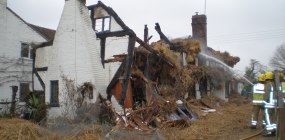 |
Thatch Fires and Wood-burning Stoves - Alison Henry and Jim Glockling This overview of ongoing research by the Fire Protection Association challenges previous theories and identifies aggressive venting of stoves and chimney blockages as the main sources of risk. |
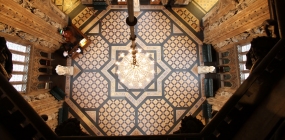 |
Encaustic Tiles at the Palace of Westminster - Adam Watrobski An insight into the restoration of the Palace of Westminster's heavily worn tile schemes, from initial survey to the production of modern replacement tiles, re-laying of new tiles and piecing in of repairs. |
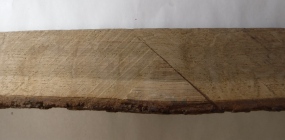 |
Conversion of Structural Timbers - Joe Thompson Learn how to identify the characteristic surface finishes of pit, mill and see-sawn timber or the distinctive ridged finish of cleft timber. Joe Thompson of Sussex Oak and Iron explains how evolving technologies left their mark on historic construction timber. |
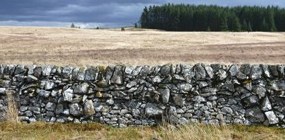 |
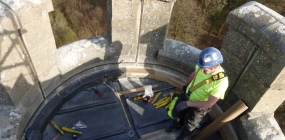
Dry Stone Walling in the 21st Century - Richard Love Chairman of the Dry Stone Walling Association Richard Love looks at the historic development of dry stone walling, including its many regional variations, and explains the key challenges facing the craft today. |
 |
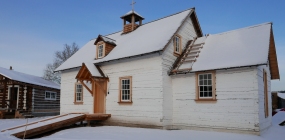
CDM Regulations 2015 - Chris Bowes Chartered architect Chris Bowes reviews the changes to The Construction (Design and Management) Regulations 2015 and their bearing on conservation projects. The article places particular emphasis on risk management on conservation sites. |
 |
Hot Limewashes and Sheltercoats - Nigel Copsey Stonemason and building conservator Nigel Copsey looks at the role of hot-mixed limewashes and sheltercoats in modern conservation practice and their advantages over lime putty mixes, including some strange recipes from historic sources. |
 |
Britain's Heritage in India - James Simpson India's conservation movement is relatively new but it is developing rapidly, driven forwards by an energetic group of Indian conservation architects. James Simpson explores this exciting and critical period for some of the world’s finest cultural heritage. |
ARTICLES ONLINE
PUBLICATIONS ONLINE |
 Index by author